
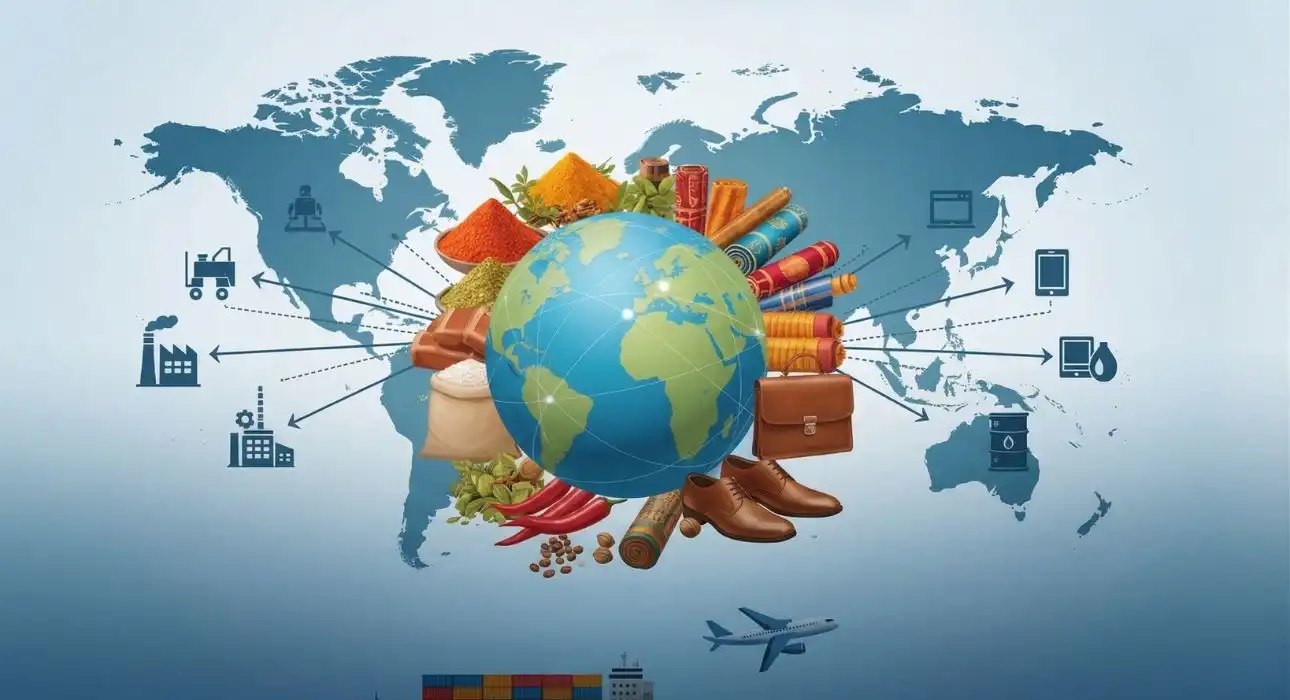
In an increasingly interconnected world, international supply chains rely heavily on the seamless flow of exports. For the agricultural sector, exporting is not just about selling goods across borders; it is the fundamental mechanism that balances global food supply with rising international demand.
Bridging the Gap Between Origin and Consumption
Different regions of the world are naturally suited to cultivate specific crops due to unique climates and soil conditions. Exports bridge the geographic gap, allowing agricultural powerhouses to supply essential commodities—such as premium Indian spices, nutrient-dense seeds, and high-quality pulses—to markets where they cannot be grown locally. This flow ensures global food security and culinary diversity.
Driving Economic Growth and Stability
Exporting raw and processed agricultural commodities stimulates economic growth at the origin. It empowers local farming communities, drives technological advancements in processing, and creates robust infrastructure. By participating in global trade, exporters help stabilize domestic markets and provide international buyers with competitive pricing and consistent availability.
Quality Control: The Exporter's Responsibility
A supply chain is only as strong as its weakest link. In agricultural trade, the exporter acts as the vital gatekeeper of quality. A reliable export partner is responsible for:
- Sourcing: Procuring the finest raw materials directly from trusted harvest networks.
- Processing & Grading: Ensuring products like dehydrated onions, garlic, and millets meet strict international food safety standards.
- Packaging: Utilizing advanced packaging solutions to preserve freshness, aroma, and nutritional value during long transit times.
Efficient logistics, rigorous quality checks, and trusted export partnerships are the backbone of a resilient global supply chain.
Navigating Export Logistics
The physical movement of agricultural commodities requires precision logistics. Exporting involves navigating complex international trade regulations, securing optimal shipping routes, and managing documentation. Technologies and experienced logistics teams are essential to mitigate shipping delays and handle price volatility, ensuring that products arrive on time and in perfect condition.
The Bottom Line
Exports are the lifeblood of international supply chains. By partnering with dedicated and transparent exporting companies, global buyers can secure a steady, high-quality supply of essential agricultural commodities, mitigating risk and ensuring end-consumer satisfaction.